
Spain's Tactical Masterclass Secures 2026 World Cup Glory as Messi's Era Ends Quietly
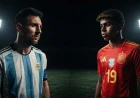
Spain's tactical discipline and defensive solidity proved too much for Argentina as they secured a 1-0 victory in the 2026 World Cup final, with Ferran Torres scoring the decisive goal in extra time. Lionel Messi's final World Cup appearance ended in disappointment as Argentina failed to register a single shot until the 115th minute, highlighting Spain's complete dominance throughout the match. The victory extends Spain's remarkable unbeaten run to 38 games and cements their status as the world's best team, having conceded just one goal throughout the entire tournament.
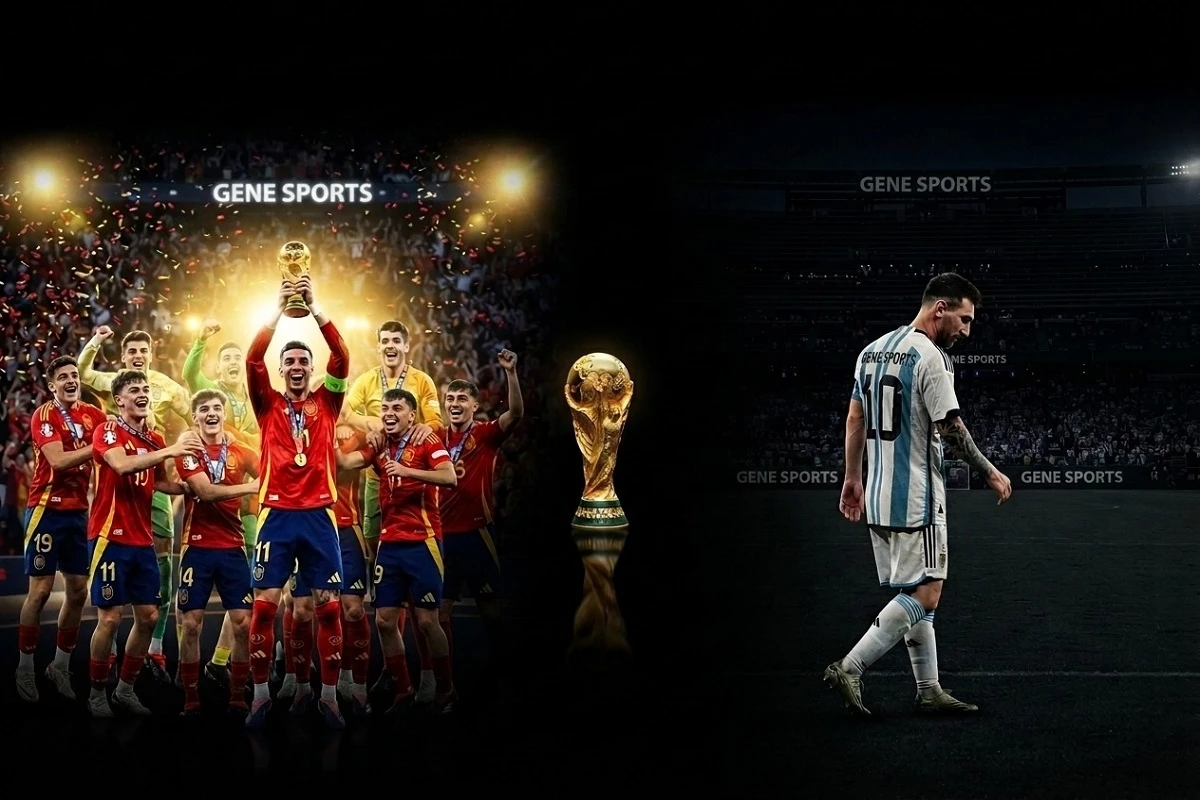
The Tactical Battle That Decided the Final
The 2026 World Cup final at MetLife Stadium unfolded as a masterclass in tactical discipline, with Spain executing a game plan that neutralized Argentina's greatest weapon while controlling every aspect of play. Luis de la Fuente's side demonstrated why they entered the tournament as favorites, completely suffocating Argentina's attacking options and limiting the reigning champions to just two shots across 120 minutes of football.
Spain's possession-based approach proved devastatingly effective against an Argentina side built around accommodating the 39-year-old Messi. The European champions registered 20 shots compared to Argentina's two, with 12 on target that tested Emiliano Martínez to his limits. The Argentina goalkeeper, playing through a fractured finger, made 11 saves—tying for the second most in a World Cup knockout match over the past 60 years—but ultimately couldn't prevent Torres's 108th-minute strike from settling the contest.
Messi's Final Hurrah Falls Flat
For Lionel Messi, the fairy tale ending that so many anticipated never materialized. The eight-goal tournament hero finished with a muted performance that reflected Argentina's overall struggles: one blocked shot, zero touches in the opposition box, and just 54 touches overall. While his tournament statistics—eight goals and four assists—remain impressive for a 39-year-old, the final exposed the limitations of building an entire system around a player who can no longer contribute defensively.
Scaloni's tactical compromises, which had worked effectively throughout the tournament, finally caught up with Argentina. By packing the midfield with trusted veterans and sacrificing attacking dynamism, Scaloni created a team that could protect Messi but couldn't adapt when Spain's press rendered that approach obsolete. The absence of players like Nico Paz, who could have provided different attacking dimensions, became glaringly apparent as Argentina degenerated into frustration and physicality.
The numbers tell a damning story: Argentina didn't register a single shot until the 115th minute, making them only the third team since records began to go that long without a shot attempt. Enzo Fernández's second yellow card in stoppage time compounded the misery, leaving Argentina to play the final minutes with ten men.
Spain's Defensive Excellence Defines Tournament Run
Spain's championship represents one of the most dominant defensive campaigns in World Cup history. Conceding just one goal in eight matches—a quarterfinal strike against Belgium—De la Fuente's side combined defensive rigidity with offensive patience that eventually broke down every opponent. The victory establishes Spain as the world's premier football nation, adding a World Cup to their European Championship crown and extending an incredible 38-match unbeaten run.
The match itself may not go down as a classic final—commentators noted it was "arguably the worst World Cup final in living memory"—but for Spanish supporters, the result matters far more than the spectacle. The extended 27-minute halftime show featuring Madonna, Justin Bieber, and Shakira failed to generate excitement, and hydration breaks further disrupted what little rhythm the game possessed.
Ferran Torres's decisive goal came from a familiar pattern: Pedro Porro's cross found Nico Williams, whose header fell perfectly for the Barcelona forward to side-foot home. It was a goal born of persistence rather than brilliance, reflecting Spain's approach throughout the tournament—patient, controlled, and ultimately inevitable.
What This Means for International Football
Spain's triumph signals a shift in the international football landscape. While Argentina's golden generation, built around Messi and now featuring aging stars like Ángel Di María and Nicolás Otamendi, faces an uncertain future, Spain's core remains young and hungry. Players like Pedri, Gavi, and Pau Cubarsí represent the next wave of Spanish talent, ensuring their dominance could continue for years.

Dr. Emmanuel Hirwa Bakunda is a medical doctor and the founder and CEO of the e-learning platform Ikaze Inc. ,Gene Sports®, Library Medecine®. He earned his medical degree from the University of Rwanda and has balanced clinical work with pioneering educational technology in Africa. Through his platform, he bridges healthcare expertise with digital innovation to provide accessible professional medical articles and courses.






Comments (0)